Within Myanmar Monsters
Why Myanmar's Monsters Guard Sacred Places
Myanmar's chinthe, serpent beings and ogres belong to religion, art and folktale rather than the search for undiscovered animals.
On this page
- Chinthe lions at pagodas and monasteries
- Serpent beings and water linked protection
- Ogres, hybrids and the boundary between folklore and cryptids
Page outline Jump by section
Introduction
Myanmar’s most famous “monsters” are not hidden creatures lurking in remote forests. They are guardians, ogres and serpent beings carved into temple gates, painted in monastery murals and woven into centuries of storytelling. Unlike the wildman traditions of northern Myanmar, these figures belong primarily to religion, folklore and sacred art rather than to claims about undiscovered animals.

The country’s best-known examples are the chinthe, a lion-like guardian that stands watch outside pagodas and monasteries, and the naga, a powerful serpent associated with water, protection and Buddhist legend. Alongside them appear ogres, hybrid beasts and dragon-like creatures that blur the line between moral fable, religious symbolism and monster story. Together they reveal how Myanmar’s monster traditions are less about proving the existence of strange animals and more about explaining danger, protection, virtue and the unseen forces believed to shape the world.[Wikipedia]WikipediaMay 4, 2025 — The leograph of Chinthe is a highly stylized lion commonly depicted in Burmese iconography and architecture, especially as…
Chinthe Lions at Pagodas and Monasteries
The most recognisable mythic creature in Myanmar is the chinthe, a stylised lion found throughout the country. Visitors encounter them almost immediately at major Buddhist sites, where pairs of towering chinthe statues guard stairways, gateways and temple compounds. Their role is protective rather than threatening: they stand watch over sacred spaces and symbolise strength, courage and vigilance.[wikipedia.org]WikipediaMay 4, 2025 — The leograph of Chinthe is a highly stylized lion commonly depicted in Burmese iconography and architecture, especially as…
What makes the chinthe especially interesting is that lions were never a familiar part of Myanmar’s everyday wildlife. The creature belongs to a symbolic world shaped by Buddhist traditions and local artistic development. Over centuries, Myanmar artists transformed the lion into a distinctive guardian figure with exaggerated features, powerful jaws and an alert stance. Museum collections and art historians describe chinthe as Buddhist guardian lions comparable in function to temple lions elsewhere in Asia, although their appearance developed a specifically Burmese character.[philamuseum.org]philamuseum.orgThough sometimes mistaken for dragons or somePhiladelphia Museum of ArtArtist/maker unknown, Temple Lion (Chinthe), 19thMythical lions such as this one and its pair often flank the e…
Legends explaining the chinthe vary. One popular story tells of a lioness that protected her human child, turning the lion into a symbol of maternal devotion and guardianship. Whether visitors know the legend or not, the message is clear: the creature marks a boundary between the ordinary world and sacred ground.[HD Asian Art]hdasianart.comHD Asian ArtChinthe: The Majestic Guardians of Burmese TemplesNov 17, 2566 BE — Legend has it that the Chinthe is a guardian spirit, symb…
For readers interested in cryptid traditions, the chinthe offers an important reminder. It looks like a monster, but nobody historically treated it as an unknown animal waiting to be discovered. Its significance lies in symbolism, architecture and religious identity rather than eyewitness reports or zoological mystery.
Serpent Beings and Water-Linked Protection
If the chinthe rules temple entrances, the naga rules Myanmar’s waters.
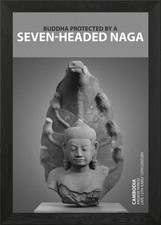
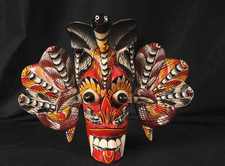
Nagas are immense serpent beings found throughout Buddhist and South Asian traditions. In Myanmar they appear in temple decoration, folklore and religious stories as powerful creatures associated with rivers, lakes, rainfall and the hidden world beneath the earth. They are often depicted as dragon-like serpents rather than ordinary snakes, reflecting a blend of local artistic traditions and broader Buddhist mythology.[Wikipedia]WikipediaApril 28, 2026 — In a wayang theater story, a snake-like god (nāga) named Sanghyang… nagas and Naginis: Serpent Figures in Hinduism an…
Unlike the malevolent dragons of some Western stories, Myanmar’s naga are frequently protectors. Buddhist narratives describe serpent kings sheltering holy figures and safeguarding sacred places. Archaeological and iconographic studies of Myanmar’s historic religious sites show naga imagery closely linked with water management, prosperity and kingship, suggesting that serpent symbolism became intertwined with ideas of fertility, rainfall and successful rule.[ResearchGate]researchgate.netSnakes and Gutters: Nāga Imagery, Water Management, and Buddhist Rainmaking…Read more…
Several themes recur in naga traditions:
- Water guardianship: Nagas are linked to rivers, wells, lakes and underground waters.
- Protection of sacred sites: Serpents often appear around shrines, pagodas and images of the Buddha.
- Hidden power: They inhabit realms that humans rarely see but which influence everyday life.
- Conflict and balance: Stories frequently place nagas in opposition to the great bird Garuda, creating a symbolic struggle between opposing forces.[secret-retreats.com]secret-retreats.comOpen source on secret-retreats.com.
Because nagas are connected to rivers and lakes, modern readers occasionally encounter stories that blur folklore with cryptid-style speculation. A sighting of an unusually large snake, strange movement in water or unexplained river event may be retold through the lens of naga mythology. Yet these accounts generally remain expressions of cultural belief rather than evidence for an unknown species.

Ogres, Hybrids and the Boundary Between Folklore and Cryptids
Myanmar’s folklore contains many creatures that look closer to traditional monsters than either the chinthe or naga. The most common are the belu, usually translated as ogres or man-eating demons. These beings appear in folk tales, religious dramas and adaptations of the Ramayana tradition. They are often shapeshifters, giants or supernatural adversaries who test heroes and represent greed, violence or moral corruption.[Wikipedia]WikipediaMythical creatures in Burmese folkloreMythical creatures in Burmese folklore
Belu occupy an intriguing position in the country’s monster tradition. They are vividly described and deeply embedded in storytelling, yet they were never generally regarded as undiscovered animals. Their role is literary and moral. A belu threatens travellers not because villagers expect to encounter one in the forest, but because the creature embodies dangers that real people feared: wilderness, temptation, violence and the unknown.[Wikipedia]WikipediaMythical creatures in Burmese folkloreMythical creatures in Burmese folklore
Myanmar also preserves a rich collection of hybrid creatures that combine features of several animals or merge human and animal forms. Among the best known are:
- Manotethiha, a lion-bodied creature with a human head, often used as a guardian figure.[Wikipedia]WikipediaMythical creatures in Burmese folkloreMythical creatures in Burmese folklore
- Nawarupa and related composite beasts, created from parts of multiple animals and represented in art rather than zoological folklore.[Wikipedia]WikipediaMythical creatures in Burmese folkloreMythical creatures in Burmese folklore
- Kinnara and Kinnari, part-human, part-bird beings associated with beauty, music and virtue.[Wikipedia]WikipediaMythical creatures in Burmese folkloreMythical creatures in Burmese folklore
- Makara-like sea monsters, crocodilian creatures that inhabit a symbolic rather than biological landscape.[Wikipedia]WikipediaMythical creatures in Burmese folkloreMythical creatures in Burmese folklore
These hybrids are important because they demonstrate how Myanmar’s monster culture differs from modern cryptozoology. Their purpose is artistic, religious or allegorical. They are designed to communicate ideas, protect sacred spaces or illustrate stories, not to record encounters with mysterious wildlife.
Why These Creatures Matter More Than Evidence
From a cryptid perspective, Myanmar’s guardian lions, serpent kings and ogres are notable precisely because they are not cryptids in the modern sense. There are no organised searches for living chinthe, no credible zoological expeditions seeking belu, and no scientific debate about whether temple guardian lions represent an unknown species.
Yet these beings remain central to Myanmar’s monster landscape because they shape how people imagine danger and protection. The chinthe guards the threshold between sacred and ordinary space. The naga governs water, fertility and hidden power. The belu personifies threats that communities must overcome. Together they form a symbolic ecosystem that has survived for centuries in architecture, literature and religious practice.[Wikipedia]WikipediaMay 4, 2025 — The leograph of Chinthe is a highly stylized lion commonly depicted in Burmese iconography and architecture, especially as…
For anyone exploring Myanmar’s wider mystery-animal traditions, these creatures provide essential context. They show that the country’s most enduring “monsters” are often cultural guardians rather than hidden beasts. While northern Myanmar’s wildman reports raise questions about unexplained sightings, the chinthe, naga and belu reveal something different: how mythology, religion and local identity can preserve monsters long after their purpose has shifted from fear to heritage.[Wikipedia]WikipediaMay 4, 2025 — The leograph of Chinthe is a highly stylized lion commonly depicted in Burmese iconography and architecture, especially as…

Amazon book picks
Further Reading
Books and field guides related to Why Myanmar's Monsters Guard Sacred Places. Use these as the next step if you want deeper reading beyond the article.
The Mythology Book
Excellent entry point for guardian lions, nagas and sacred creatures.
The Hero with a Thousand Faces
Explains recurring symbolic roles of monsters and guardians.
Myths and Legends of the World
Helps compare Myanmar's sacred beasts with similar figures worldwide.
eBay marketplace picks
Marketplace Samples
Live-tested eBay searches with available results related to this page.

Endnotes
1.
Source: Wikipedia
Link:https://en.wikipedia.org/wiki/Chinthe
Source snippet
May 4, 2025 — The leograph of Chinthe is a highly stylized lion commonly depicted in Burmese iconography and architecture, especially as...
Published: May 4, 2025
2.
Source: Wikipedia
Title: Mythical creatures in Burmese folklore
Link:https://en.wikipedia.org/wiki/Mythical_creatures_in_Burmese_folklore
3.
Source: Wikipedia
Link:https://en.wikipedia.org/wiki/N%C4%81ga
Source snippet
April 28, 2026 — In a wayang theater story, a snake-like god (nāga) named Sanghyang... nagas and Naginis: Serpent Figures in Hinduism an...
Published: April 28, 2026
4.
Source: researchgate.net
Link:https://www.researchgate.net/publication/377829172_Water_Ideology_and_Kingship_at_the_Ancient_Burmese_Capital_of_Bagan_Myanmar_An_Iconographic_Analysis_of_the_Nat_Yekan_Sacred_Water_Tank
Source snippet
Snakes and Gutters: Nāga Imagery, Water Management, and Buddhist Rainmaking...Read more...
5.
Source: secret-retreats.com
Link:https://www.secret-retreats.com/blog/art-architecture/the-legend-of-garuda-vs-naga-an-asian-folktale.html
6.
Source: Wikipedia
Link:https://en.wikipedia.org/wiki/Myanmar
7.
Source: philamuseum.org
Title: Though sometimes mistaken for dragons or some
Link:https://www.philamuseum.org/objects/277507
Source snippet
Philadelphia Museum of ArtArtist/maker unknown, Temple Lion (Chinthe), 19thMythical lions such as this one and its pair often flank the e...
8.
Source: nms.ac.uk
Link:https://www.nms.ac.uk/explore-our-collections/collection-search-results/chinthe/318861
Source snippet
National Museums ScotlandChintheChinthe Figure of a chinthe or Buddhist guardian lion, one of two, carved wood painted red and ornamented...
9.
Source: hdasianart.com
Link:https://www.hdasianart.com/blogs/news/chinthe-the-majestic-guardians-of-burmese-temples?srsltid=AfmBOopD-k8iVhHHsoWO5-vgEowXKHBsxipISPLmZ5vONcIvCjMywZ8t
Source snippet
HD Asian ArtChinthe: The Majestic Guardians of Burmese TemplesNov 17, 2566 BE — Legend has it that the Chinthe is a guardian spirit, symb...
10.
Source: freedomhouse.org
Link:https://freedomhouse.org/country/myanmar
Additional References
11.
Source: scribd.com
Link:https://www.scribd.com/doc/116386798/Burma-The-Naga-of-Buddhist-Religion
Source snippet
Naga Kings in Buddhist Tradition | PDFIn the pre-Anawratha time native Burmese worshipped Naga; after the introduction of Buddhism...
12.
Source: academia.edu
Link:https://www.academia.edu/100904726/Mythical_Creatures_in_Burmese_Culture_Keinnaya_Keinnayi_Manotthiha_Pyinsayupa_Nawayupa_Hintha_and_Chinthe
Source snippet
Mythical Creatures in Burmese Culture: Keinnaya-Keinnayi...This dissertation describes six Burmese mythical creatures in detail...
13.
Source: youtube.com
Title: 25+ Mystical Creatures of Southeast Asia: The Ultimate Mythical Collection
Link:https://www.youtube.com/watch?v=nsk6WXMJOks
Source snippet
Inside Myanmar's Money Factory: Why the Kyat Has Bills Worth 75 and 90...
14.
Source: youtube.com
Title: Inside Myanmar’s Money Factory: Why the Kyat Has Bills Worth 75 and 90
Link:https://www.youtube.com/watch?v=vi4FSTT_HYE
Source snippet
Zawgyi and the Spirit of the Banyan Tree...
15.
Source: youtube.com
Title: Only the Sky Knows | Zawgyi Chronicles Official Music Video
Link:https://www.youtube.com/watch?v=lALYvD5fx_A
Source snippet
Myanmar Puppet: The Inherited Art of Myanmar...
16.
Source: reddit.com
Link:https://www.reddit.com/r/CallOfDutyMobile/comments/v7h721/fun_fact_naga_in_my_native_tongue_burmese_means/
17.
Source: istockphoto.com
Link:https://www.istockphoto.com/photos/myanmar-lion-statue-spirituality
18.
Source: istockphoto.com
Link:https://www.istockphoto.com/photos/chinthe
19.
Source: alamy.com
Link:https://www.alamy.com/stock-photo/chinthe-lion-burma.html
20.
Source: amnesty.org
Link:https://www.amnesty.org/en/location/asia-and-the-pacific/south-east-asia-and-the-pacific/myanmar/report-myanmar/
Topic Tree