Within CAR Cryptids
Did Sabre Toothed Cats Survive Here?
Stories of gassingram and vassoko describe oversized fanged cats in northern hill country, but no specimen confirms them.
On this page
- Gassingram, vassoko and the hill country reports
- Why sabre toothed cat claims are a leap
- Lions, leopards and fearsome night sightings
Page outline Jump by section
Introduction
Stories of giant fanged cats haunt parts of northern Central African Republic, especially the hill country around Ouanda Djallé and Birao in today’s Vakaga region. These creatures are usually known in cryptozoological literature as the gassingrâm and the vassoko. They are described as oversized feline predators with unusually long canine teeth, glowing eyes and a habit of sheltering in caves among rocky uplands. Over time, some writers suggested that these reports might preserve memories of a surviving sabre-toothed cat. Yet despite decades of retelling, no specimen, photograph, track series or physical evidence has confirmed the existence of such an animal. The legend remains interesting not because it proves a prehistoric survivor, but because it shows how local stories, colonial-era reports and later cryptozoological speculation became fused into one of Central African Republic’s most unusual mystery-animal traditions.[Cryptid Archives]cryptidarchives.fandom.comBernard Heuvelmans.Read moreCryptid ArchivesGassingrâm - Encyclopaedia of Cryptozoology - FandomThe gassingrâm was a tigre de montagne reported from the Central Afri…

Gassingrâm, vassoko and the hill-country reports
The best-known accounts come from the northern hills and massifs near the borderlands of Chad and Sudan. In these stories, the animals are not river monsters but mountain predators associated with caves, rocky terrain and remote uplands. Later cryptozoological writers grouped them into a broader category called tigres de montagne or “mountain tigers”, a label used for several long-fanged mystery cats reported across northern Central Africa.[Cryptid Archives]cryptidarchives.fandom.comCryptid Archives Tigre de montagneGassingrâm: Chad Vassoko: Central African Republic. All true sabre-toothed cats…
The gassingrâm was reportedly described to colonial game official Lucien Blancou after information collected in the 1930s around Ouanda Djallé. Accounts claimed that it was larger than a lion, brown in colour, rarely seen in daylight and carried prey into caves in the nearby Bongos Massif. Witnesses allegedly emphasised its shining eyes and unusual size.[Cryptid Archives]cryptidarchives.fandom.comBernard Heuvelmans.Read moreCryptid ArchivesGassingrâm - Encyclopaedia of Cryptozoology - FandomThe gassingrâm was a tigre de montagne reported from the Central Afri…
The vassoko became known through information later gathered by the cryptozoologist Bernard Heuvelmans. Descriptions were even more dramatic. Informants reportedly spoke of an animal as large as a horse, with a low-slung head, dog-like ears and exceptionally long fangs. Some accounts claimed that it erased its tracks with hairy legs or a bushy tail. Others said it lived deep within mountain caves, carried prey on its back and produced calls compared to an elephant’s bellow.[Cryptid Archives]cryptidarchives.fandom.comCryptid Archives Vassoko | Encyclopaedia of CryptozoologyCryptid ArchivesVassoko | Encyclopaedia of Cryptozoology - FandomThe vassoko was a tigre de montagne reported from Birao in the Central A…
Several recurring themes appear throughout the stories:
- Exceptional size, often larger than a lion.
- Long visible canine teeth.
- Cave-dwelling behaviour.
- Nocturnal habits and glowing eyes.
- Reports centred on rocky uplands rather than forests or rivers.
- Extreme danger and aggression in local retellings.[Cryptid Archives]cryptidarchives.fandom.comCryptid Archives Vassoko | Encyclopaedia of CryptozoologyCryptid ArchivesVassoko | Encyclopaedia of Cryptozoology - FandomThe vassoko was a tigre de montagne reported from Birao in the Central A…
What is striking is that these descriptions are not consistent enough to form a clear zoological profile. Different accounts disagree on colour, build and behaviour. Some details resemble known cats, while others sound distinctly folkloric.
Why sabre-toothed-cat claims are a leap
The connection between these stories and sabre-toothed cats came largely from later cryptozoological interpretation rather than from hard evidence. Bernard Heuvelmans and other writers proposed that the mountain-cat reports might represent surviving members of the extinct sabre-toothed cat group known as the Machairodontinae. These predators disappeared thousands of years ago, with no accepted scientific evidence that any survived into recorded history.[Cryptid Archives]cryptidarchives.fandom.comBernard Heuvelmans.Read moreCryptid ArchivesGassingrâm - Encyclopaedia of Cryptozoology - FandomThe gassingrâm was a tigre de montagne reported from the Central Afri…
One frequently repeated anecdote claims that local trackers identified drawings of a sabre-toothed cat when shown illustrations of different felines. Cryptozoologists treated this as significant because the trackers supposedly selected the sabre-toothed image rather than pictures of lions or other modern cats.[Cryptid Archives]cryptidarchives.fandom.comCryptid Archives Tigre de montagneGassingrâm: Chad Vassoko: Central African Republic. All true sabre-toothed cats…
However, this argument has important weaknesses.
First, recognising similarities in an illustration does not demonstrate that a real sabre-toothed animal exists. People may choose an image because it best matches a legendary creature, an exaggerated memory or a symbolic description rather than a living species.
Second, the reported features are inconsistent with what palaeontologists know about actual sabre-toothed cats. The stories often describe animals larger than lions that remain undetected despite living in regions where hunting, herding, military patrols and wildlife surveys have occurred for generations.
Third, no physical evidence has emerged. There are no verified bones, skins, skulls, hair samples, photographs or genetic traces linking the legends to an unknown large predator. The case rests almost entirely on oral reports and later retellings.[researchgate.net]researchgate.netResearch Gate(PDF) Heuvelmans the Heretic and Hidden AnimalsResearchGate(PDF) Heuvelmans the Heretic and Hidden AnimalsMarch 21, 2024 — 30 Mar 2024 — Cryptozoology seeks to study 'hidden animals' b…
Even the name gassingrâm illustrates the uncertainty. Linguistic analysis has suggested that the term may not originally have been a proper animal name at all, but a misunderstood phrase recorded by outsiders. That does not disprove the underlying story, but it highlights how easily information can change as it passes between languages and cultures.[Cryptid Archives]cryptidarchives.fandom.comBernard Heuvelmans.Read moreCryptid ArchivesGassingrâm - Encyclopaedia of Cryptozoology - FandomThe gassingrâm was a tigre de montagne reported from the Central Afri…

Lions, leopards and fearsome night sightings
A more cautious explanation is that the legends grew from encounters with known predators combined with the natural tendency of stories to expand over time.
Northern Central African Republic historically lay within the range of lions and leopards. A brief nighttime glimpse of a large cat can be difficult to interpret, especially in rocky terrain where size and distance are hard to judge. Eye shine from a predator illuminated by firelight or lanterns can appear startlingly bright, helping to explain recurring claims of glowing eyes. Large canines, visible in an aggressive animal, may also become exaggerated in memory and storytelling.[Cryptid Archives]cryptidarchives.fandom.comBernard Heuvelmans.Read moreCryptid ArchivesGassingrâm - Encyclopaedia of Cryptozoology - FandomThe gassingrâm was a tigre de montagne reported from the Central Afri…
The cave motif may have practical roots as well. Big cats frequently use rocky shelters, overhangs and shaded retreats. A lion or leopard repeatedly observed near caves could gradually acquire supernatural or exaggerated traits in local accounts.
Another possibility is that several different traditions became merged. The vassoko, gassingrâm and other regional “mountain tiger” stories may not originally have referred to the same creature. Later writers often combined them into a single mystery-animal category, creating the impression of a widespread and consistent beast when the original reports were more varied.[Cryptid Archives]cryptidarchives.fandom.comCryptid Archives Tigre de montagneGassingrâm: Chad Vassoko: Central African Republic. All true sabre-toothed cats…
How the legend survived
The fanged-cat stories endured because they occupy an appealing middle ground between folklore and cryptozoology. They are specific enough to sound like reports of a real animal, yet strange enough to invite speculation about lost predators and hidden species.
For cryptozoology enthusiasts, the legends became part of a wider African tradition of long-fanged “mountain tigers” stretching across Chad, South Sudan and neighbouring regions. For local communities, the stories functioned more as cautionary tales about dangerous places and powerful predators than as scientific claims about surviving Ice Age animals.[Cryptid Archives]cryptidarchives.fandom.comCryptid Archives Tigre de montagneGassingrâm: Chad Vassoko: Central African Republic. All true sabre-toothed cats…
Today, the most evidence-based reading is that the gassingrâm and vassoko belong to the folklore and mystery-animal heritage of northern Central African Republic rather than to zoology. They remain memorable because they combine dramatic imagery—caves, glowing eyes and enormous fangs—with a real landscape where lions, leopards and human imagination have long shared the same hills.[Cryptid Archives]cryptidarchives.fandom.comCryptid Archives Vassoko | Encyclopaedia of CryptozoologyCryptid ArchivesVassoko | Encyclopaedia of Cryptozoology - FandomThe vassoko was a tigre de montagne reported from Birao in the Central A…

Amazon book picks
Further Reading
Books and field guides related to Did Sabre-Toothed Cats Survive Here?. Use these as the next step if you want deeper reading beyond the article.
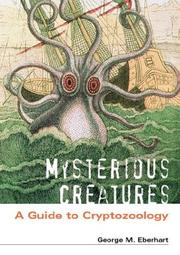
Still in Search of Prehistoric Survivors
Directly aligns with sabre-toothed-cat survival speculation.
eBay marketplace picks
Marketplace Samples
Live-tested eBay searches with available results related to this page.


Endnotes
1.
Source: cryptidarchives.fandom.com
Title: Bernard Heuvelmans.Read more
Link:https://cryptidarchives.fandom.com/wiki/Gassingr%C3%A2m
Source snippet
Cryptid ArchivesGassingrâm - Encyclopaedia of Cryptozoology - FandomThe gassingrâm was a tigre de montagne reported from the Central Afri...
2.
Source: cryptidarchives.fandom.com
Title: Cryptid Archives Vassoko | Encyclopaedia of Cryptozoology
Link:https://cryptidarchives.fandom.com/wiki/Vassoko
Source snippet
Cryptid ArchivesVassoko | Encyclopaedia of Cryptozoology - FandomThe vassoko was a tigre de montagne reported from Birao in the Central A...
3.
Source: cryptidarchives.fandom.com
Title: Cryptid Archives Tigre de montagne
Link:https://cryptidarchives.fandom.com/wiki/Tigre_de_montagne
Source snippet
Gassingrâm: Chad Vassoko: Central African Republic. All true sabre-toothed cats...
4.
Source: researchgate.net
Title: Research Gate(PDF) Heuvelmans the Heretic and Hidden Animals
Link:https://www.researchgate.net/publication/379174634_Heuvelmans_the_Heretic_and_Hidden_Animals
Source snippet
ResearchGate(PDF) Heuvelmans the Heretic and Hidden AnimalsMarch 21, 2024 — 30 Mar 2024 — Cryptozoology seeks to study 'hidden animals' b...
Published: March 21, 2024
Additional References
5.
Source: messybeast.com
Link:https://messybeast.com/genetics/anomalous-bigcats.html
Source snippet
ANOMALOUS FELIDS(Central African Republic), also known as the Gassingram or Vassoko, is similar to the Tigre de Montagne. The has a reddi...
6.
Source: deviantart.com
Link:https://www.deviantart.com/mythologysleuth/art/Mythical-felines-1156092752
Source snippet
Mythical felines by Mythologysleuth on DeviantArtR Maudry, Governor of the Birao Autonomous District and informant of Bernard Heuvelmans...
7.
Source: reddit.com
Link:https://www.reddit.com/r/Cryptozoology/comments/mwgbfg/sabretooth_sightings/
8.
Source: youtube.com
Link:https://www.youtube.com/watch?v=3VnVW7QtYM4
Source snippet
Water Lions | The Surviving Sabretooths of AfricaI find a little interesting that saber toothed water tigers are seemingly reported so fr...
9.
Source: instagram.com
Link:https://www.instagram.com/p/DRmTSK1CM4_/
Source snippet
toothed cats. View all 21 comments · hannatingborn.Read more...
10.
Source: idosi.org
Link:https://www.idosi.org/wasj/wasj10%285%29/10.pdf
Source snippet
“Mokele-Mbembe”: a Cryptozoological Animal of...This animal is thought to still inhabit the marshy vine choked swamps of Congo, Equatori...
11.
Source: karlshuker.blogspot.com
Title: Shuker Nature BURNHAM’S BEASTS
Link:https://karlshuker.blogspot.com/2019/05/burnhams-beasts-secret-wildlife-of.html
Source snippet
Central African Republic, local tribes speak variously of the gassingram or vassoko. Their descriptions invariably recall Machairodus, th...
12.
Source: facebook.com
Title: 𝐓𝐡𝐞 𝐄𝐧𝐧𝐞𝐝𝐢 𝐭𝐢𝐠𝐞𝐫 𝐋𝐞𝐠𝐞𝐧𝐝
Link:https://www.facebook.com/groups/275114380263865/posts/363132351462067/
Source snippet
(𝐂𝐞𝐧𝐭𝐫𝐚𝐥𝐞...is a cryptid, purportedly a living sabre-toothed cat, the Central African Republic; Native names for the animal include: gas...
13.
Source: youtube.com
Link:https://www.youtube.com/watch?v=fEQPjpTh9-g
Source snippet
Water Lions | The Surviving Sabretooths of Africa...
14.
Source: reddit.com
Title: African mythology
Link:https://www.reddit.com/r/mythology/comments/1j443rv/african_mythological_creature_the_vassoko_cat/
Source snippet
The Vassoko Cat heralded by ButterfliesThe vassoko is a great beast, as large as a horse, with a low-hanging head and long fangs. Some sa...
Topic Tree